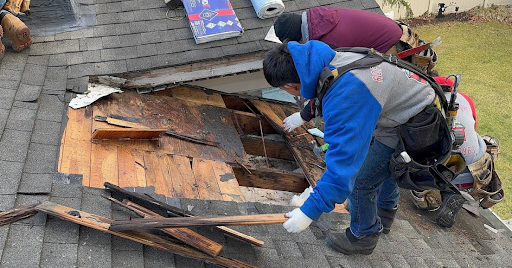
For New Jersey homeowners understanding the different parts of a roof is essential , whether you’re planning repairs, scheduling an inspection, or investing in a new roofing system. A roof is one of the most important protective structures in any New Jersey’s home. Here’s a list of the parts of the roof in NJ.
Roof Parts or Roof Design Parts:
The homeowners may be capable of making better decisions about durability, style, and long-term maintenance with help of understanding the main parts of a roof. A well-designed roof isn’t just about shingles—it’s a complete system built for protection, ventilation, and structural strength.
- Roof Sheathing
- Underlayment
- Composition shingles
- Flashing
- Ridgepole & Apex caps
- Ventilation System
- Intrados and Fascia board
- Gutters & Drainpipe
Description of Roof or Roof Design Parts :
1. Roof Sheathing
The base layer of the roof is made from plywood or OSB panels. It supports all roofing materials laid on top. Strong decking is crucial for structural stability. Strong decking is crucial for structural stability. Shingles are the outermost layer of a roof and provide primary protection from weather.
2. Underlayment
A moisture-resistant barrier installed over the decking. It provides added waterproofing and shields the roof from moisture.
3. Composition shingles or Roofing Material
This is the outermost protective layer of the roof. The most popular in the United States with options include composition shingles, metal panels, clay tiles, and slate. Affordability and Durability are the basic reasons for their popularity. They offer weather protection, UV resistance, and come in a variety of colors and styles.
4. Flashing
Basically this is a thin metal strip installed around chimneys, valleys, skylights, and vent pipes. Which provides protection against any leakage from around them such as chimneys, valleys, skylights, and vent pipes.
5. Ridgepole & Apex caps
The highest horizontal line where two roof planes meet. Apex caps seal this area to prevent leaks while allowing ventilation.
6. Ventilation System
In US homes to reduce air exchange , prevent moisture build up, a proper ventilation system which includes proper ridge, soffit , or gable vents is essential .
7. Intrados and Fascia board
Intrados (under the ledge) essential for attic airflow , while fascia boards support the gutters and give the roof edge a clean finish.
- Gutters & Drainpipe
The types of guides are provided to direct rainwater away from the roof and home foundation, preventing erosion and water damage. By integration of these components you get a strong roof design with a durable, weather-resistant, and energy-efficient structure .To maintain your roof better and spot issues early, understanding each part of the roof is very important.
Roof Structure Parts:
Understanding the key parts of a roof structure is essential whenever time comes to building, repairing, or inspect a home. A strong roof structure is a system of interconnected components designed to provide support, stability, and weather protection. Below we break down the major roof structure elements or parts and their respective roles so you can better understand how they work.
Beams: The Framework of the Roof. These are basically the angled beams that run from the roof’s peak (ridge) down to the exterior walls. To create the triangular shape of the roof they play an essential role and they also carry most of the roof weight.
Roof Framework: Engineered Strength Modern homes often use frame work, which are pre-engineered triangular frames made from connected beams. Frame work distributes weight more efficiently and is quicker to install, making them popular in residential construction.
Ridge Pole or Ridge Beam: The Roof’s Backbone It is located at the very peak of the roof, the ridge pole provides support and alignment for beams. In some roof cases, instead of supporting vertical loads, offering additional strength a structural ridge beam is used.
Ceiling girders: Tying the Structure TogetherCeiling girders run horizontally across the tops of walls and help prevent the roof from spreading outward. They also serve as support for the ceiling inside your home.
Collar Ties: Preventing Roof Separation Collar ties are horizontal members installed between pairs of rafters in the upper third of the roof. Their purpose is to resist uplift forces caused by wind and prevent rafters from separating at the ridge.
Purlins: Mid-Span Support Purlins are horizontal boards or beams laid across rafters to reduce their span and increase structural strength. They’re common in larger roofs or roofs with significant loads.
Wall Plate: The Connection to the Home The wall plate is a thick horizontal timber or steel component fixed to the top of the wall, also known as a wall plate, that anchors the rafters or trusses and evenly distributes the roof load onto the structure below.
Expert Tips for Roof Inspection:
- Inspect Twice a Year
In spring and fall perform a full roof inspection. Seasonal changes may reveal hidden issues.
- Use Safety Precautions
In case you are are inspecting your roof yourself, use a sturdy ladder, avoid walking on steep slopes, and ideally inspect from the ground with binoculars
- Check for Weather-Related Damage
Shingles and flashing may loosen due to NJ’s winters and nor’easters. Intermediary look for any cracked, missing, or wind-lifted shingles especially after a storm.
- Inspect Gutters for Ice, Debris
Gutters can clog due to leaves from fall and winter freeze-thaw cycles . Clear out debris.
- Dark spots on shingles
- Excessive granules in gutters
- Sagging rooflines
- Mold on soffits
- Rusted flashing
Roof Maintenance Tips for Long Life:
1. Regularly Clean Gutters
Clogged gutters result in sometimes overflow that can damage fascia, soffits, and shingles.
2.Trim Overhanging Branches
Branches can scrape shingles and increase debris build-up.
3. Remove marsh & Algae
These can trap moisture and shorten roof life. Use roof-safe cleaning solutions.
4.Seal and Repair Flashing
Flashing is a common source of leaks, so ensure it’s tight and rust-free.
5. Take immediate action against Minor Damage
If ignored a small leak and then in future it can grow into a major structural issue .
Conclusion:
Understanding the key parts of a roof and how to inspect them is very helpful for you to protect your home or home’s roof from leaks, structural damage, and get benefits in future to prevent costly roof repairs. Taking simple or small steps, such as regularly inspecting the roof and repairing any faults early, can make a big difference. Combining visual checks with periodic professional inspections provides satisfaction and ensures that your roof remains strong, efficient, and well-maintained year-round . With the right knowledge and proactive care, you can extend the lifespan of your roof and maintain a safe, weather-resistant home.