An excellent roof helps keep your home cozy and provides protection and safety from the weather. Residential re roofing can tip the scales in favor when damage refuses to stay gone. This guide details costs, material choices, and how to hire reliable help.
What Is Residential Re Roofing?
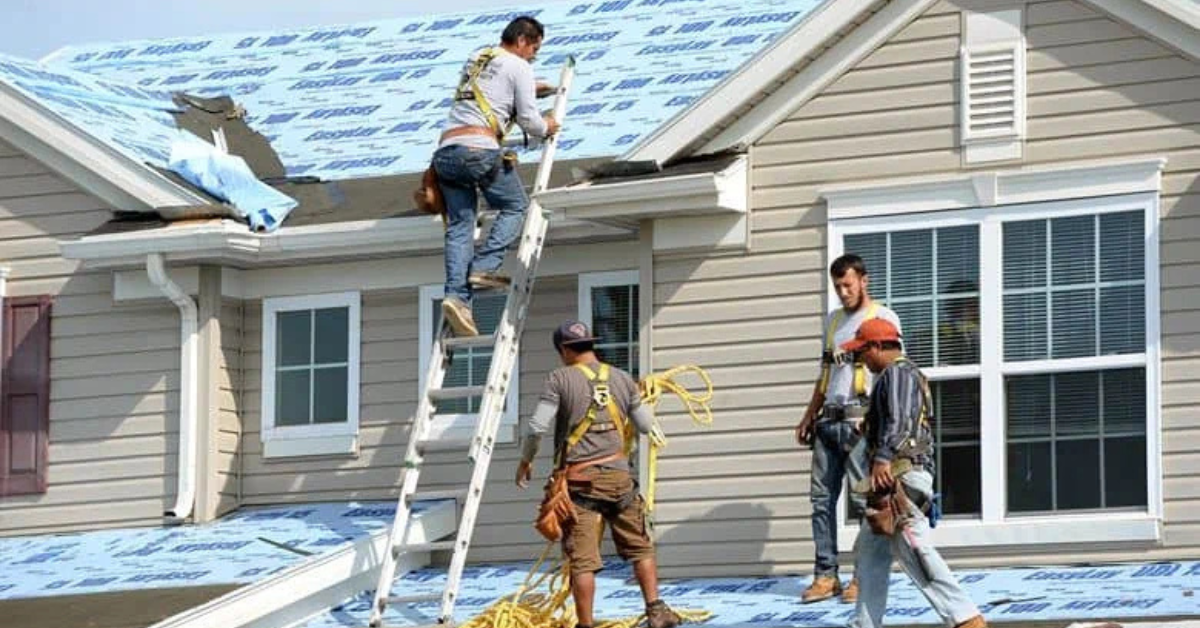
Residential re roofing is the full replacement of the roof system on a house. Workers tear off old roofs, then lay on new layers. Differing needs are to prevent leaks, add protection, and extend roof life.
A new roof can also boost curb appeal. It may raise property value in many markets. It can reduce drafts when the attic is sealed well. Not every home needs a full replacement. A proper inspection helps you decide.
Signs You Need a New Roof
Roof issues seldom begin with a big collapse. Small signs appear first. Look for shingles that curl, crack, or come loose. Search for bare spots where the granules are missing. A leak below a water stain on the ceiling. Soft patches in the roof deck suggest moisture behind it. So musty smells in the attic might indicate mold
Look for shingles that have come loose and broken flashing after strong storms. Over the years, if problems come back after several repairs, residential re roofing can be cheaper. After rain, a quick inspection can show active leaks. Scan the attic with a flashlight for wet sections
Cost of Residential Re Roofing
Roof replacement costs vary by region and roof design. The biggest factors are size, slope, and material type. Labor rates also change from city to city. Asphalt shingles usually cost the least. Metal and tile cost more upfront. Complex roofs with many valleys take longer to install. That increases labor cost.
You may also pay for permits and inspections. Removal and disposal fees can add to the final bill. If the decking needs replacement, costs rise again. To plan your budget, get detailed quotes. Ask for a line item list of labor and materials. Request the estimated start date and completion date. A low quote can hide weak materials or rushed work. A fair quote explains what is included.
Popular Roofing Materials
The best material for you will vary depending on your climate, budget and style. All three options have their strengths and limitations.
Asphalt Shingles
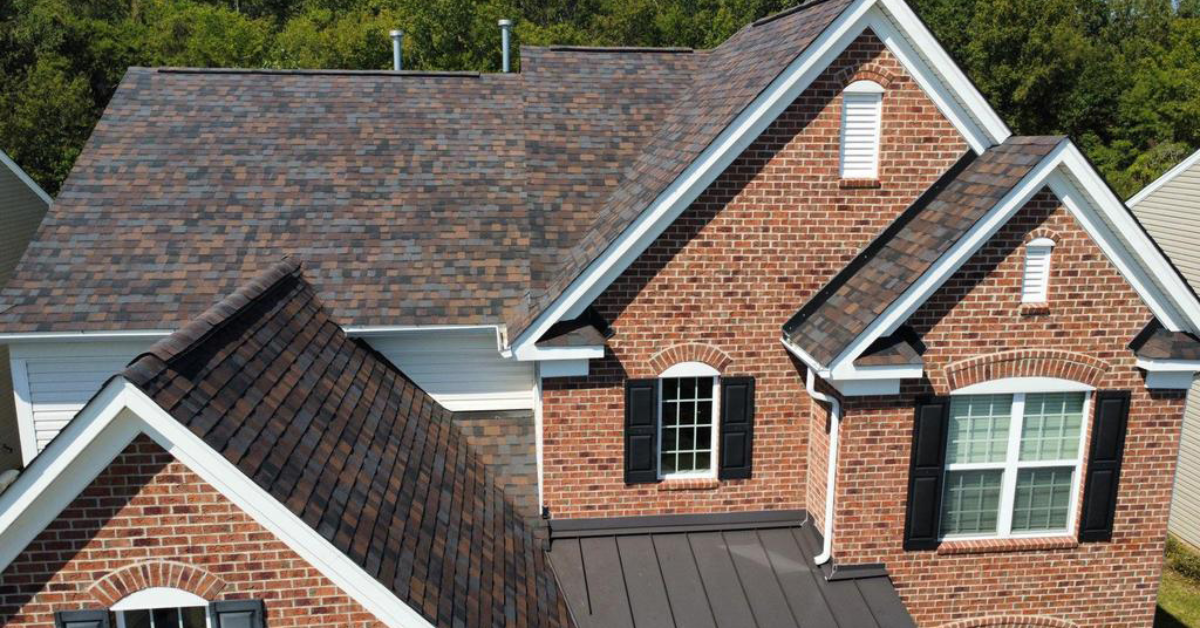
Asphalt shingles are very popular. They install quickly on most roof shapes. They come in many colors and styles. Many last 15 to 30 years with good ventilation. They handle mild to moderate weather well. They may wear faster in extreme heat.
Metal Roofing
Metal roofs resist fire and high winds. They shed rain and snow with ease. Many types last 40 years or more. They can also lower cooling needs in sunny regions. Metal costs more at the start. It often pays back through a long life.
Clay and Concrete Tiles
Tile roofs look classic and feel premium. They handle heat well and last a long time. They can weigh more than other materials. Some homes need extra structural support. Installation takes skill and time. Repairs can cost more than shingles.
Wood Shakes
Wood shakes provide a warm, natural appearance. They can provide good insulation in colder areas. They require occasional maintenance, apropos of moisture problems. In some areas, they’re restricted due to fire risk. Always check local rules. Ask your installer what materials are best for your weather. Your final choice should be guided by climate.
Choosing the Right Contractor
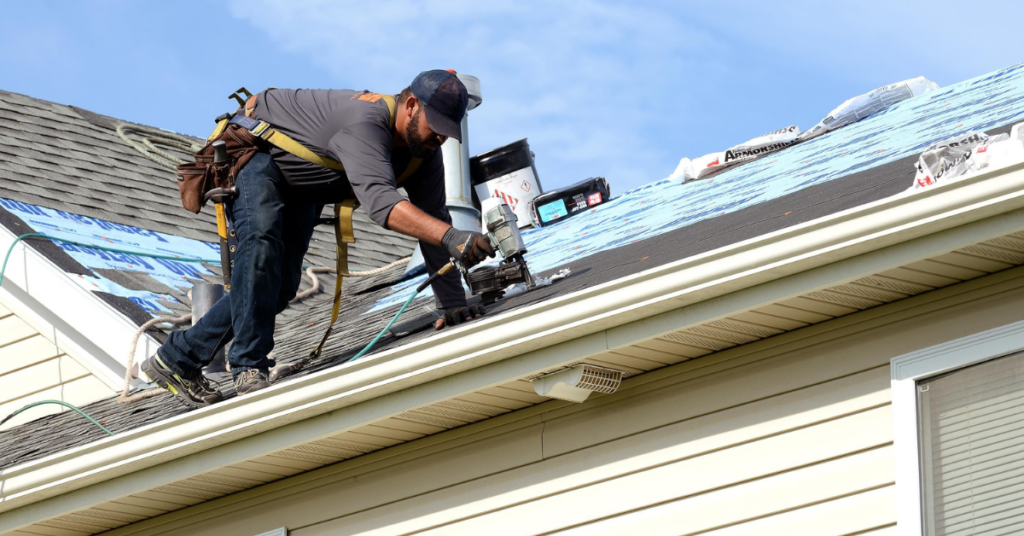
It is equally important to choose the right person as it is the material. Professional residential roofing contractors must carry insurance and comply with local building codes. Ask how long they are working from your locality.. Read reviews from more than one site. Look for patterns in feedback. A good contractor explains the plan in simple terms. They provide a written scope of work. They also clarify payment milestones.
Do not work with contractors who rush you to sign. Be careful with contractors who go door to door after storms. Always check the licenses with the authorities.
Residential Roof Repair vs Replacement
Some problems can be fixed without replacement. Small leaks around flashing can be patched. Missing shingles can be replaced. In those cases, residential roof repair may be enough. Replacement becomes the better choice when damage is widespread. It also makes sense when the roof is near its expected end date. Multiple layers of old shingles can also cause issues.
An inspection can show whether repairs will last. If repairs keep repeating, replacement may protect your budget.
Benefits of Home Re Roofing Services
Professional home re-roofing services give you a complete system, not a quick patch. Crews use proper layers to block water and improve airflow. They also install flashing to protect weak points. A new roof can improve comfort inside the home. Better ventilation can reduce attic heat. That can lower air conditioning strain.
A new roof can also increase the resale value. Buyers ask about the roof age and what the warranty is. A newer roof can reduce buyer concerns. Many installers also offer workmanship warranties. Material warranties may cover defects for many years.
Final Thoughts
A roof replacement is a major home project. It protects your family and your investment. Residential re roofing can restore safety and comfort when repairs won’t hold up anymore. Select materials that suit your climate and budget. Employ ethical professionals with solid contracts. Your new roof can last you a lifetime with the right care.
FAQs
1. How often is residential re roofing needed?
Depending on the material used, residential re roofing will be due in 20 to 30 years.
2. Can I stay at home during roof replacement?
Yes, you can stay home. Expect noise and limited driveway space.
3. How long does installation take?
Many jobs take one to three days. Larger roofs may take longer.