Ridge Cap Roof Costs: A roof does not just provide a covering for your home. It prevents rain, heat, and strong winds from destroying everything inside. Lots of homeowners pay their shingles their due, and they neglect one little but important bit. A damaged or incorrectly installed ridge cap can cause leaks, ventilation problems, and structural damage. That is why it is important to understand the roof Cost before embarking on any kind of roofing project. There are plenty of questions concerning installation costs, replacement expenses, and long-term value to homeowners.
Understanding the Role of a Ridge Cap Roof Costs
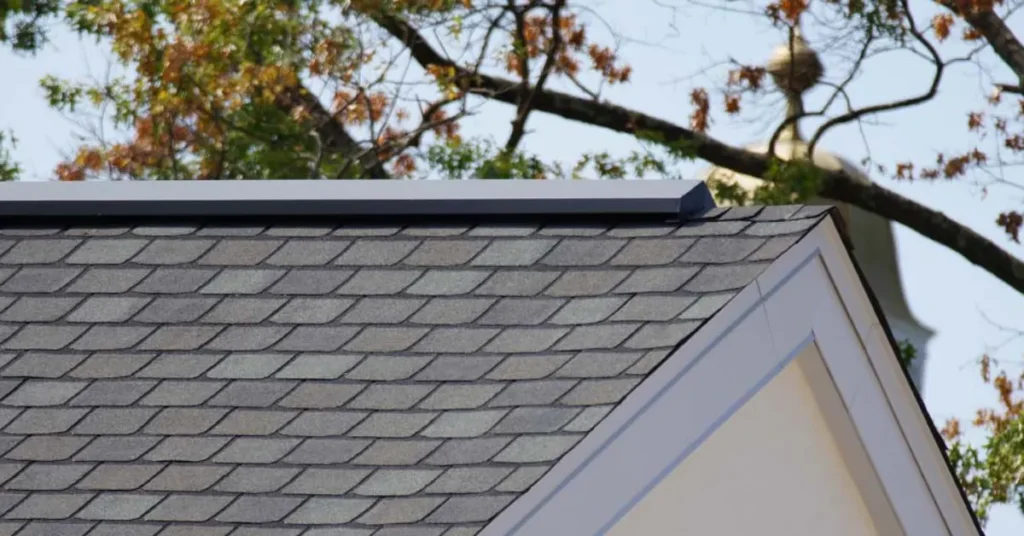
The ridge cap roof is the top finish laid on the roof’s peak. It covers the seam of two roof slopes meeting. This area is one of the most exposed areas of the roof. Ridge caps are used to protect the roof from water penetration. They help in air flow as well when installed with proper ventilation systems. Good airflow ensures that there is a balance between the attic temperature and how much moisture builds up.
Manufacturers construct Ridge Cap Roof costs with stronger materials than regular shingles. These pieces often withstand the wind better as they protect the highest edge of the roof. Many modern roofs have specially shaped shingles or pre-formed caps for additional durability. This small part performs a large role in the protection of the entire roofing structure.
Factors That Affect Ridge Cap Roofing Costs
Several elements influence the price of ridge cap installation or replacement.
1. Roof Size and Ridge Length
Larger homes need longer ridge lines. More ridge length increases both materials and labor costs.
2. Roofing Material
Different materials carry different price levels.
- Asphalt shingles remain the most affordable
- Metal ridge caps cost more but last longer
- Tile or slate ridge caps require specialized installation
Premium materials raise durability but increase the premium ridge cap roof cost.
3. Roof Pitch and Accessibility
Steep roofs require extra safety equipment and time. Hard-to-reach areas also slow down installation work. Contractors may increase labor costs for steep or complex roof designs.
4. Ventilation Systems
Many modern roofs combine ridge caps with ridge vents. This setup improves attic airflow. Ventilation systems add materials and labor. However, they improve roof lifespan and energy efficiency.
Roof Ridge Cap Cost Comparison
Homeowners often compare options before choosing materials. A quick roof ridge cap cost comparison helps determine the right balance between price and durability. Standard asphalt ridge caps cost the least. They work well for most residential homes.
Metal ridge caps offer stronger weather resistance. These options suit areas with heavy rain or strong winds. Tile ridge caps match clay or concrete tile roofs. They look elegant but cost significantly more. Each material has advantages. The best option depends on your roof style and budget.
Roofing Ridge Cap Replacement Prices
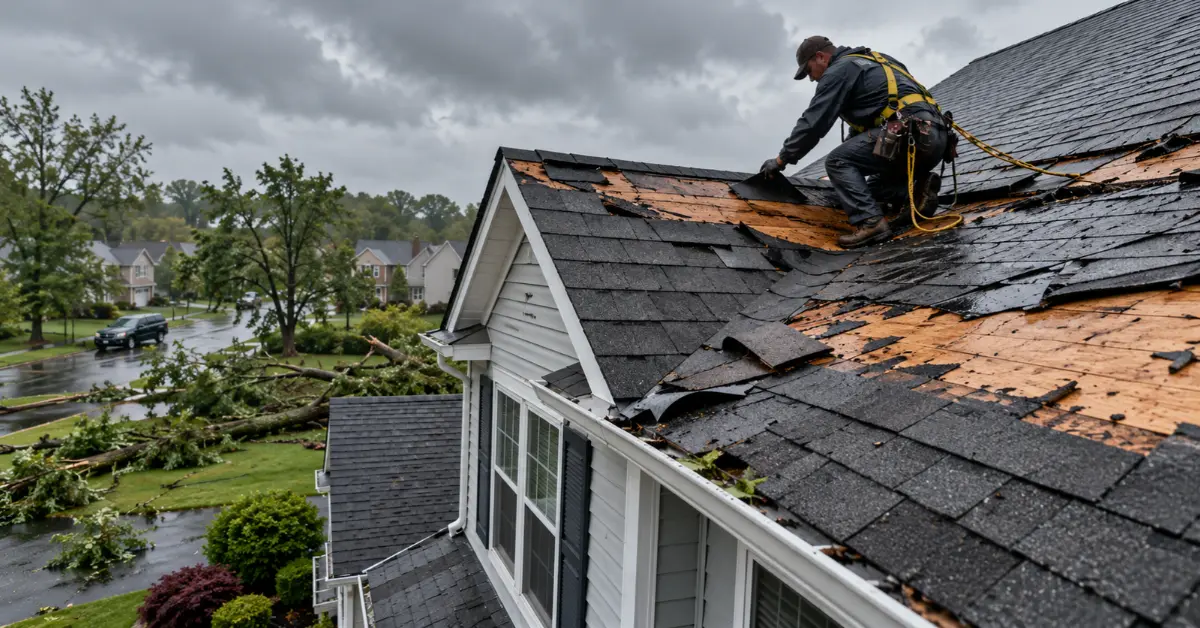
Old ridge caps eventually wear out. Strong winds, UV exposure, and temperature changes may weaken them. The average roofing ridge cap replacement prices range from $300 to $1,200. Prices are based on the size of the roof and the materials.
Signs you may need replacement include:
- Cracked ridge shingles
- Missing ridge caps
- Visible leaks near the roof peak
- Poor attic ventilation
Replacing ridge caps early prevents larger roofing repairs later. Many roofing professionals recommend inspection during regular roof maintenance. A well-installed ridge cap roof helps extend the life of the entire roofing system.
Ridge Cap Roof Budget Planning
Planning your roofing budget helps avoid unexpected expenses. Proper ridge cap roof budget planning should include materials, labor, and inspection costs. Start by requesting estimates from experienced contractors. Reliable companies explain material options and pricing clearly. Homeowners should also consider long-term durability. Spending slightly more on better materials can reduce repair costs later.
Budget planning should also include routine inspections. Early maintenance prevents expensive structural damage. Many roofing professionals recommend annual roof checks after storms or extreme weather. A carefully planned ridge cap roof installation protects your investment for many years.
DIY Ridge Cap Roof Cost
Some homeowners consider installing ridge caps themselves. The DIY ridge cap roof cost may appear lower because you avoid labor expenses. Basic materials cost up to $100 to $400 to smaller homes. This is an estimate for Ridge Cap Roof Costs: shingles, roofing nails, and sealant. It is a hazardous installation as a do-it-yourself project. Steep roofs require the use of special safety equipment.
Why Professional Roofing Services are Important
Roofing work needs skills, precision, and proper equipment. Professional contractors know home weather conditions and roofing requirements. Companies like NJ Roofing Services examine roof structures before they are installed. Professional installation helps the ridge cap roof to remain secure during heavy winds and storms. A properly installed ridge cap adds durability to the roofing system and protects the whole system.
Understanding Pricing for Roofers to Make Better Choices for Homeowners. Ridge Cap Roof Costs are based on materials, labor, roof size, and complexity of the installation. The regular inspection and maintenance of your roof keeps it performing well. Early replacement can avoid more serious structural problems.
FAQs
Q. How long does a ridge cap roof last?
Most ridge caps last 15 to 25 years. Lifespan depends upon materials, weather conditions, and the quality of installation.
Q. Can ridge caps be replaced without replacing the whole roof?
Yes. Contractors can use separate ridge caps replacement if the rest of the roof is in good condition.
Q. What happens if ridge caps are damaged?
Ridge caps with damage let in water to the roof structure. If left unattended, this can lead to leaks, mold, and structural damage.